For one buyer, the appeal of the wig’s shade is offset by a cap that causes discomfort after a few hours of wear. A natural-looking front is welcome, but another customer finds spending twenty minutes on lace each morning too time-consuming. The unit is visually appealing, but a different buyer finds the density surprisingly heavy once it is worn.
There is more meaning in these comments than a wig business might initially see. The possibility is to turn these insights into new designs that people are happy to put on.
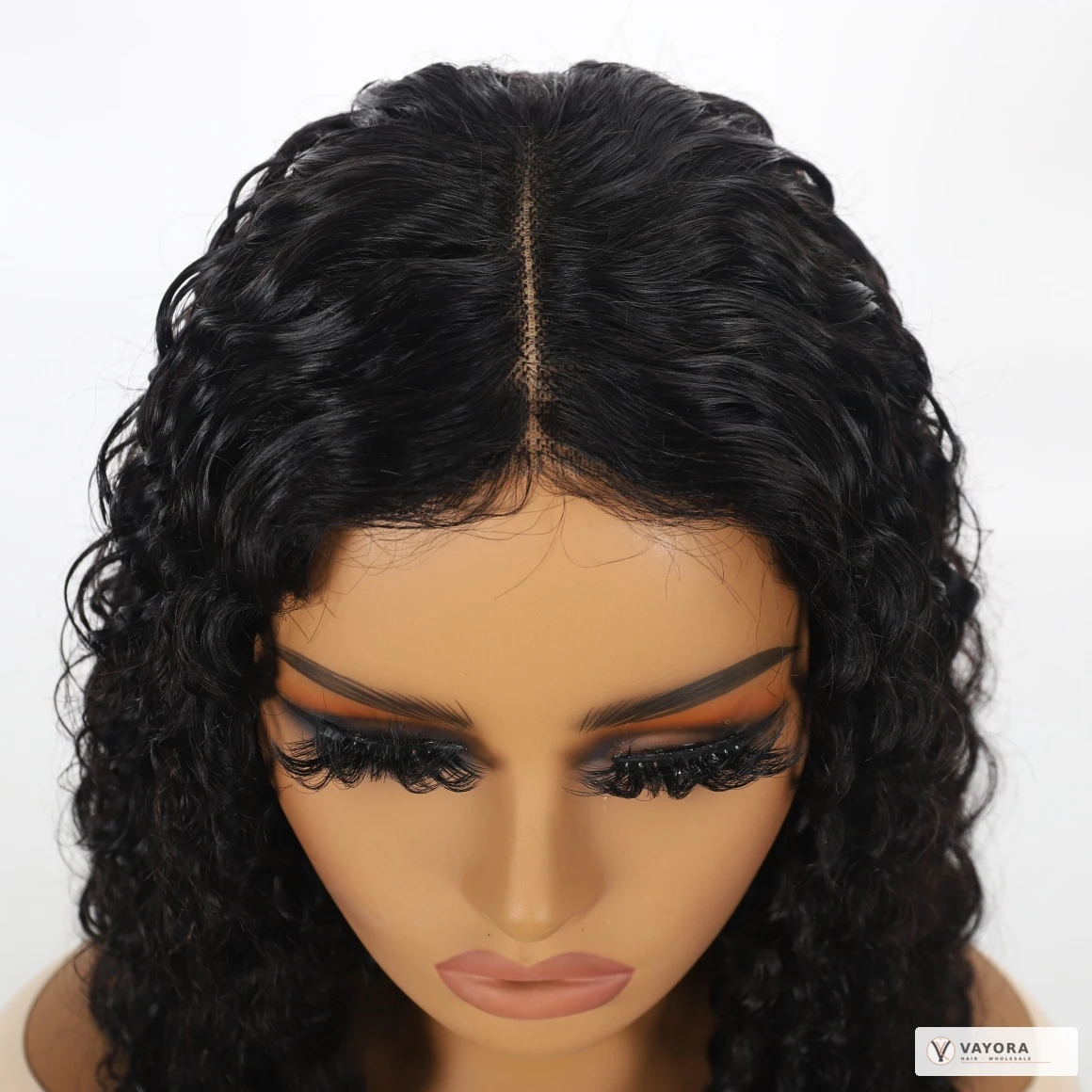
Image credit: vayorahair.com
Building a strong product line involves more than responding to the newest hair trend. They’re built around understanding what customers want to experience when they put a wig on.
Listen Beyond the Order
When wearers express concerns, they generally do not speak in factory terminology. Instead, their feedback center on convenience and comfort, confidence and appearance. The desire to simplify morning preparation may indicate a need for a glueless construction. Complaints about an unnatural hairline could indicate that lace appearance, knot treatment, density, or parting design needs attention.
Translating wearing concerns into measurable design criteria is a capability to look for in a human hair wig manufacturer China brands choose.
Instead of simply requesting a 22-inch body-wave wig, a buyer can define the intended wearing experience, cap fit, lace construction, hairline appearance, and finished weight. Such precision provides the development team with a better-defined target.
Making a Distinction With Your Private Label Wig Range
A common pitfall for newer wig brands is to stock their catalogs according to whatever is popular at the time. Such an approach can leave the brand with a range that is difficult to distinguish from competitors’ offerings.
A collaborative relationship with a private label wig manufacturer China retailers choose can help a brand shape a cohesive product identity. That might mean creating a lightweight everyday collection, a premium natural-hairline range, or ready-to-wear wigs designed for customers who prefer minimal preparation. Texture, length, color, density, cap construction, and packaging should support the same customer promise. Rather than relying solely on temporary price incentives, a recognizable collection offers shoppers another motivation to shop again.
Consider More Than the Glueless Label
The straightforward label “glueless” does not capture the design details that determine the wearing experience. Everything from cap sizing and adjustment features to attachment components, lace preparation, and hairline design influences how securely and comfortably the unit fits.
A glueless wig manufacturer China buyers choose should help clarify these requirements before production begins. For example, a brand targeting first-time wig wearers may prioritize manageable density, pre-cut lace, and straightforward adjustment features. By contrast, a range for professional hair stylists may call for other customization possibilities. There is no universal preference for either approach. Each serves a different customer.
Evaluating Samples and Brand Reputation
There are details of a wig that cannot be assessed from a product photograph alone. Evaluating the unit means looking at the fit of the cap, hair movement, color accuracy relative to expectations, and whether the final construction follows the approved design. The sample stage creates an opportunity to detect differences ahead of a larger production order.
Consistently producing the same style calls for clearly recorded requirements and quality-control procedures, particularly for a wholesale human hair wigs supplier handling repeat orders. A lack of clear production references can make it difficult to reproduce the results of a successful first batch with consistency.
Design Your Collection for Future Growth
VAYORA works with B2B wig brands, retailers, and distributors to support product development, private label services, sampling, specification control, and workflows for repeated production. The approach connects customer expectations to the physical features that determine the wig’s appearance, fit, and feel.
Prior to expanding a product range, brands should examine customer feedback, recognize their strongest product opportunities, and set clear approval standards. A stronger next lineup might not depend on adding more styles. What may matter more is reducing compromises in the styles that customers already desire.