A software developer may have spent six years solving complex technical problems but find it difficult to articulate a system architecture decision during an interview. Someone who has managed effective campaigns may still struggle to recall the most useful performance data under interview pressure.
These examples do not necessarily indicate weak qualifications. Interviews require candidates to retrieve information, arrange their reasoning, interpret unfamiliar questions, and communicate clearly under pressure.
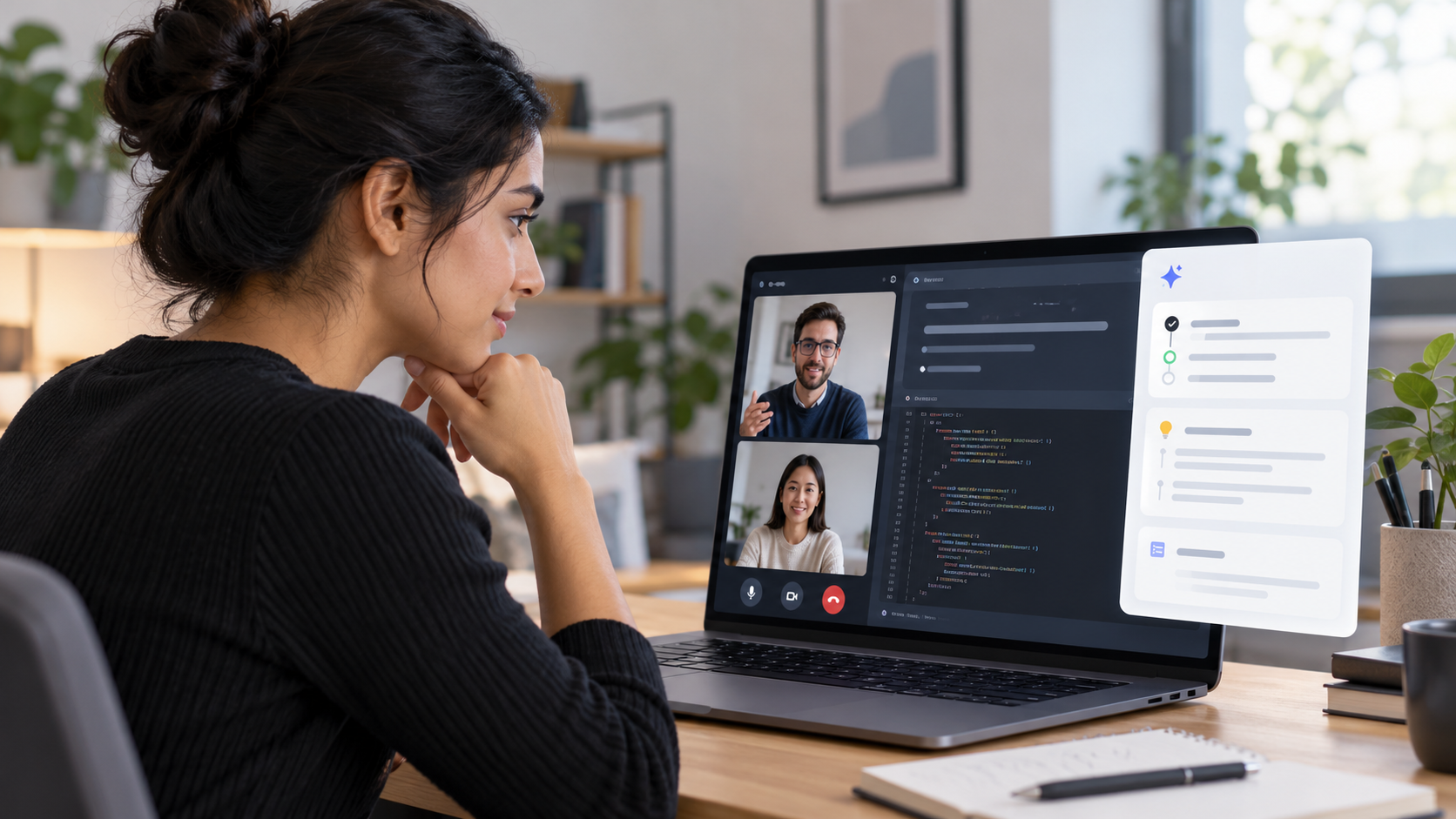
Candidates now have artificial intelligence tools for practicing these abilities. Through customized preparation, simulated interviews, and live response suggestions, Interview Pilot aims to help job seekers feel more confident in professional interviews.
Develop Your Professional Stories Before the Interview
Many candidates prepare in the conventional way by searching for frequently asked questions and learning sample answers by heart. The limitation is that generic answers rarely reflect the details of someone’s actual career.
Take a common behavioral prompt: “Tell me about a time you managed a difficult project.” An effective response needs more than a polished opening. The candidate should describe what was happening, clarify their own role, explain their choices, and report the result.
To make its suggestions more relevant, Interview Pilot incorporates details about the applicant’s career history, the intended job, and the prospective employer.
With an AI interview assistant, candidates can choose meaningful examples, arrange the evidence behind them, and notice missing details. Candidates can then practice explaining those examples faithfully in their own words.
Technical Knowledge Needs Clarity in Conversation
Technical interviewers look beyond a candidate’s familiarity with coding languages, platforms, and engineering concepts. Hiring teams often examine how an applicant reasons through a challenge and compares possible solutions.
For example, a developer discussing database performance might need to explain why indexing improved query speed, what competing considerations arose, and how the improvement was measured.
Candidates using Interview Pilot can receive suggestions for technical prompts as well as behavioral questions. The interview copilot feature interprets spoken questions and produces responses suited to the context.
A suggested response is useful only insofar as the candidate also understands the reasoning behind it. Candidates should be prepared to explain technical decisions independently, particularly when interviewers introduce follow-up questions or modify the original scenario.
Practice Conversations, Not Just Individual Questions
There is a meaningful difference between studying questions on a page and responding out loud. Spoken practice exposes communication habits that written preparation may overlook, including drawn-out introductions, unclear explanations, and unnecessary technical jargon.
Users can prepare for conversations with recruiters and hiring managers through Interview Pilot’s AI-powered mock interviews and interview question bank.
A useful preparation method involves answering the same question several times with different levels of detail. For an initial screening, an applicant might prepare a response lasting about half a minute, then develop a fuller answer for a technical conversation. Being able to vary an explanation helps candidates avoid sounding scripted while responding to the interviewer’s priorities.
Responsible Use of AI Interview Assistance
When candidates consider tools that provide real-time interview answers, they must also think about ethical conduct and what the employer expects. Employers differ in their assessment policies: some allow AI tools, whereas others expect applicants to show their skills without help from external tools.
Anyone searching for a copilot for interview preparation or live assistance should clarify the employer’s rules before using such technology during an actual interview. Candidates should also consider requirements concerning consent and confidentiality when software processes interview conversations. AI-generated suggestions are most valuable when they support genuine knowledge rather than replace real qualifications or invent professional experiences.
Finding Time for Consistent Interview Practice
Interview preparation often happens between professional obligations, commuting, and personal responsibilities. Being able to access preparation tools on different devices can help candidates maintain a consistent routine.
Users can access Interview Pilot on Mac or Windows computers, on iPhone and Android, and via the web. According to the platform, it serves more than one million users worldwide and offers a free plan with limited weekly AI usage alongside paid subscriptions for unlimited use.
Ultimately, effective interview preparation isn’t about committing polished answers to memory. The aim is to feel at ease discussing what you understand, showing your reasoning, and communicating the contribution you could make to an organization.
Used thoughtfully, Interview Pilot can support that process while keeping the candidate’s own professional background, judgment, and communication skills at the center of the conversation.