The amount of digital data generated every single day is astounding. Laptops and smartphones, as well in cloud platforms, IoT, drones, social media platforms, messaging apps, as well as cloud platforms, generate huge amounts of information that may be a crucial source of evidence. When investigators respond to fraud, cybercrime, terrorist attacks, insider threats or security breaches at corporate level the problem isn’t finding information anymore. The issue is identifying the relevant evidence in a short time and with accuracy.
Modern investigations require tools to handle large amounts of information without compromising security or integrity. In a rapidly changing world organisations must provide their staff with the tools they need to meet ever-increasing demand for investigative services. Advanced digital forensics tools have become indispensable for police agencies, intelligence organisations and security teams of corporate companies across the globe.
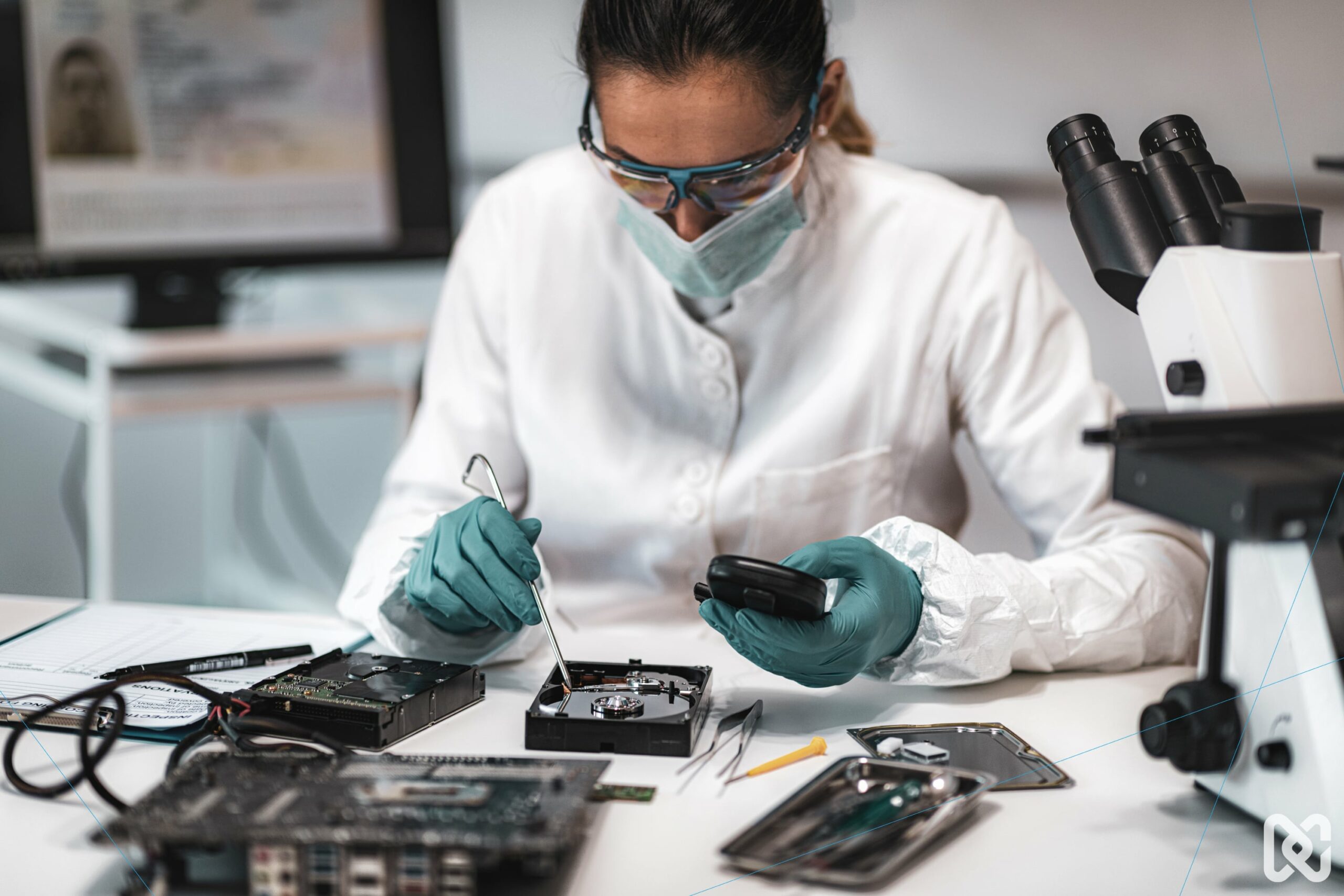
Investigations are becoming more and more urgent.
Time is a critical aspect in a lot of investigations. A delay in gathering information, analyzing, or submitting evidence can slow decision-making and raise operational risk and allow for risks to go unchecked.
Traditional forensic methods typically require lengthy acquisition times, manual review procedures, and unconnected systems that result in problems throughout the entire investigation.
Modern investigators require solutions that allow them to gather evidence from a variety of kinds of devices, while maintaining the highest levels of accuracy and security. The quicker the collection the quicker teams can begin their analysis. This helps investigators to uncover actionable intelligence at critical time. Detego Global’s Unified Digital Forensics Platform was specifically developed to address these concerns by speeding up all stages of the investigative process starting from evidence gathering through the final report.
Digital Evidence Goes Beyond Computers
In the past, many investigations were focused on desktop computers and server. Nowadays, evidence is available practically everywhere. Mobile devices can store messages calls, call histories, photographs videos, location data as well as activity logs. Smart devices generate usage logs. Drones capture images and operational information. Cloud apps can save documents and conversations. Even removable media and IoT devices can hold important evidence.
Modern computer forensics requires a much more comprehensive method than the traditional techniques allowed. Investigators need platforms that examine and analyse data from a myriad of apps and devices without the need for a multitude of disconnected tools. Unified solutions can reduce complications while increasing operational efficiency.
Artificial Intelligence Is Transforming Investigations
Analyzing data manually is becoming increasingly difficult due to the sheer amount of digital data that is available. Artificial intelligence can help investigators discover patterns and connections more quickly than conventional methods.
AI-powered analytical tools can help with facial recognition and image classification. They also can assist with semantic search, transcription and translation, optical characters recognition, Link analysis and detection of objects. These capabilities assist investigators in focusing on pertinent evidence, while having less time spent looking through irrelevant data.
AI-driven Digital Forensics Solutions can provide advantages to companies that conduct large-scale investigations. They can improve both speed and accuracy.
Modern Security Operations and the Importance of DFIR
Cyber incidents are becoming more sophisticated and frequent in every industry. Ransomware attacks are a common present. These can include the insider threat, theft of credentials and data breaches, as well as financial fraud. A systematic approach is needed to recognize, control the threat, conduct an investigation, and then remediate incidents. DFIR or Digital Forensics and Incident Response is a crucial part of.
DFIR teams must collect evidence, learn about attack techniques, determine the scope of compromise, and support recovery efforts while maintaining proper documentation and chain-of-custody procedures. A reliable software that is able to handle evidence and workflows throughout the entire investigation process is crucial for efficient DFIR operations. Central platforms allow investigators to be consistent and ensures critical information is available throughout the investigation.
Controlling Investigations through a Single Platform
The use of disconnected tools is a significant challenge for a variety of companies. Evidence may be able to be stored in one system, case notes in another, report tools in another, and investigation workflows are managed in a different way. This dispersion can cause problems and increases the chance of error.
Unified platforms for investigations solve this issue. They connect the acquisition, analytics, evidence management and workflow management in one environment. Detego’s method allows investigators to better manage their cases while keeping a close eye on every phase of an investigation. Centralized management improves accountability and collaboration while reducing compliance requirements.
Helping with both field and lab research
Most investigations don’t take place in a forensic lab. Evidence collection often takes place on the ground. For instance, airports. police stations. crossings at the border. remote locations. and crime scenes. Frontline personnel must have equipment that is both effective and simple that allow them to swiftly be deployed while also performing forensic tasks.
The latest forensic tools are helping both field and laboratory operations. Portable tools help investigators quickly sort through cases, find relevant information, and make an informed decision. This flexibility boosts operational readiness and makes sure investigations continue no matter the location.
Cyber Security and Digital Forensics are more interconnected than ever before
As the nature of digital threats continues to change and evolving, the link between cyber security and digital investigation is becoming increasingly crucial.
Digital Forensics is a branch of science which focuses on the investigation of incidents and provides investigative tools to understand the cause of what happened. Together, they enable organisations to enhance their resilience, detect threats more effectively and swiftly respond to threats that arise. Digital evidence collection, analysis, and actions have become crucial elements of modern security operations.
The Future of Investigations Is Faster and Smarter. Connected
Digital investigations continue growing in complexity as new technologies, devices and communication platforms appear. Organizations need solutions that are able to keep up with this evolving landscape, while providing rapidity, accuracy and operational efficiency.
By combining advanced Digital forensics capabilities, AI-powered analytics, streamlined DFIR workflows, comprehensive computer forensics tools, and integrated Cyber security support, modern platforms help investigators transform vast amounts of data into actionable intelligence.
As the need for fast and reliable investigations continues to rise, unified forensic tools will play a growing function in helping businesses uncover the truth, safeguard critical assets, and respond confidently to the most complex digital threats.