Pain does not necessarily show where the underlying medical issue originates. The examination appropriate for a patient repeatedly experiencing knee pain may be entirely different from the examination required by someone with persistent headaches. Although symptoms can resemble one another, their causes may differ substantially.
When the source of symptoms remains unclear, imaging can help by showing structures that cannot be examined directly. As important as the imaging technology is, choosing the right imaging technique is just as important.
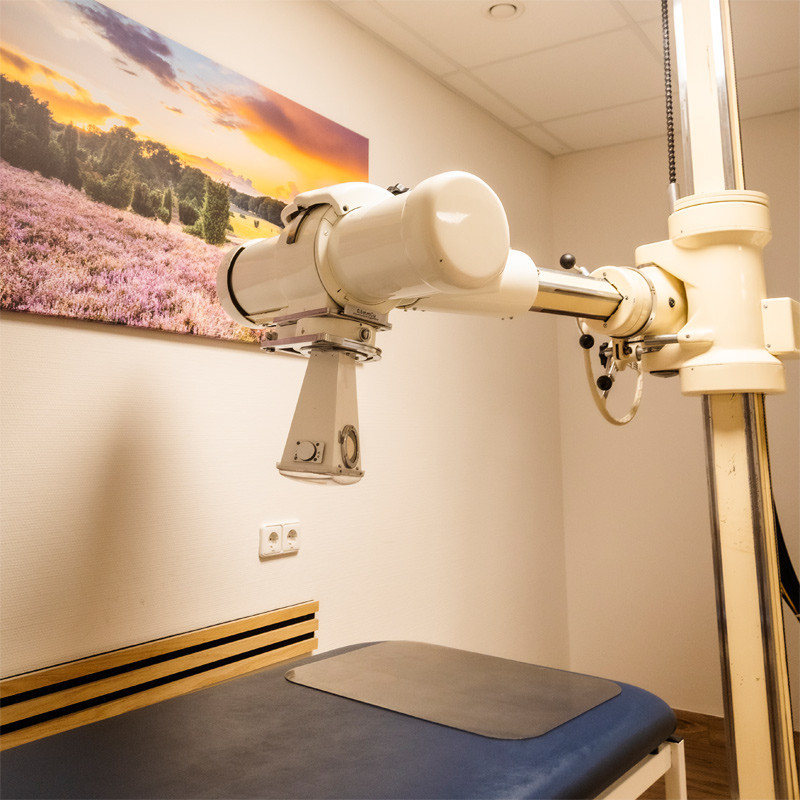
Personalized patient care and modern diagnostic equipment come together at the Diagnostic Radiology Center Wolfsburg in support of accurate examinations and well-informed medical decisions.
Different Questions Require Different Imaging Methods
When the examination calls for detailed soft tissue assessment, magnetic resonance imaging (MRI) may be especially valuable. Without exposing patients to ionizing radiation, MRI can assist in examining muscles, ligaments, joints, organs, and certain neurological structures.
The diagnostic application of computed tomography (CT) differs from that of MRI. CT rapidly produces cross-sectional images and can be particularly helpful in evaluating bones, the lungs, and various internal conditions. In contrast to MRI, CT employs X-rays, making radiation exposure an important consideration when selecting an examination.
When investigating numerous bone and chest conditions, digital X-rays remain valuable. Efficient acquisition of diagnostic images is possible with modern equipment and methods designed to reduce avoidable exposure to radiation. Identifying the most suitable examination depends on the clinical issue being investigated, as well as the patient’s health history and the referring physician’s assessment.
Clinical Questions That Require Specialized Imaging
A specialized diagnostic approach may be needed for particular diagnostic questions. Multiparametric prostate MRI can help identify areas of concern in the prostate and inform decisions regarding further assessment. A cancer diagnosis is not automatically established by this examination. They can still contribute useful information to urological assessment.
Specialized imaging techniques also has a role in breast imaging. In addition to conventional mammography, 3D mammography, referred to as tomosynthesis, acquires several images from various angles to assist radiologists in assessing overlapping breast tissue.
An MRI examination of the whole body offers more extensive anatomical coverage without using ionizing radiation. Established screening programs should not be treated as unnecessary because whole-body MRI is available. The value of the examination varies according to the medical indication.
Imaging Can Also Guide Treatment
Radiology can serve purposes beyond identifying abnormalities. When a patient has nerve-related pain, CT-guided periradicular therapy may be considered in selected cases. Imaging assists in guiding an injection to a targeted nerve-root region with the help of imaging during the procedure. Click here to read more diagnostikzentrum radiologie Wolfsburg
Helping alleviate irritation or inflammation in appropriate cases is the aim of accurate delivery of treatment. Not every patient will be suitable for the procedure. The decision depends on the patient’s symptoms, diagnosis, and clinical evaluation. The Wolfsburg center also offers treatments using radiation for selected chronic conditions, with suitability assessed individually.
Why Preparation Matters Before a Radiology Visit
The usefulness of earlier diagnostic images may be surprising. Comparing current findings with previous images can help radiologists differentiate existing changes from newly developed abnormalities.
A referral, health insurance card, and available prior imaging reports or scans are items patients are encouraged to bring when attending an appointment at the Diagnostic Radiology Center Wolfsburg. A towel of a large size is also requested by the center for appointments for MRI, CT, or breast ultrasound. Pregnancy, relevant implants, allergies, kidney issues, and other medical concerns should be disclosed when booking imaging appointments, particularly when the examination may involve contrast agents or MRI safety considerations.
Pairing Advanced Imaging With Understandable Explanations
Sophisticated scanners can produce detailed images, but patients also need to understand what will happen during their examination.
At the Diagnostic Radiology Center Wolfsburg, importance is placed on well-organized appointments, along with understandable explanations and respectful personal care. Patients can approach diagnostic examinations with greater confidence and gain a clearer understanding of their medical care through the center’s combination of specialized imaging, careful preparation, and clear communication.